
Forming your LLC feels like a big milestone, but it is not the finish line.
Many business owners focus heavily on getting their LLC approved and then forget about what comes next. That is where problems usually start.
Staying compliant means keeping your LLC in good standing with the state and meeting ongoing legal and tax requirements.
If you ignore these, your business can face penalties, late fees, or even dissolution.
The good news is that LLC compliance is not complicated once you understand what needs to be done and when.
In this guide, I will break down the key annual requirements, what you need to track, and how to stay compliant without stress.
What Does LLC Compliance Actually Mean?
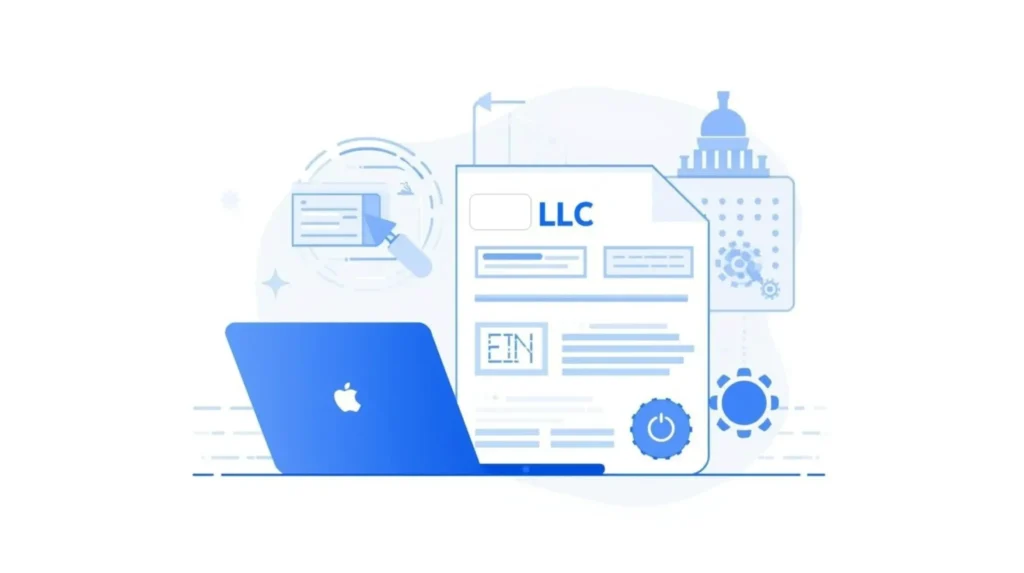
LLC compliance simply means following the rules set by your state and maintaining your business properly after formation.
This includes:
- Filing required reports
- Paying renewal fees
- Keeping business records updated
- Maintaining a registered agent
- Meeting tax obligations
Think of it like maintaining your car. Just because you bought it does not mean you can ignore servicing it. Your LLC needs regular attention to stay in good shape.
Why Is Staying Compliant Important?
Many people underestimate this part, but compliance is critical for your business.
If you stay compliant, you:
- Keep your LLC active and in good standing
- Avoid penalties and late fees
- Maintain your liability protection
- Build credibility with banks and partners
If you do not stay compliant, you risk:
- Fines and extra charges
- Losing your LLC status
- Business name becoming available to others
- Legal complications
This is one of those areas where small mistakes can turn into bigger issues over time.
What Are the Main Annual Requirements for an LLC?

While requirements vary by state, most LLCs need to handle a few key tasks every year.
Let’s break them down clearly.
1. Filing Annual or Periodic Reports
Most states require LLCs to file an annual report or a similar document.
What Is an Annual Report?
It is a simple update that confirms your business details with the state.
It may include:
- Business name
- Business address
- Registered agent details
- Member or manager information
Why It Matters
This keeps your LLC information current in state records. If you skip this, your LLC can fall out of good standing.
When It Is Due
Deadlines vary by state. Some require it every year, while others require it every two years.
Missing the deadline can lead to late fees or penalties.
2. Paying State Renewal Fees
Along with annual reports, many states charge a yearly fee to keep your LLC active.
What This Fee Covers
It is essentially the cost of maintaining your LLC registration with the state.
What to Expect
- Fixed annual fee in some states
- Variable fee based on income in others
If you do not pay this fee, your LLC may be suspended or dissolved.
3. Maintaining a Registered Agent
Every LLC must have a registered agent at all times.
Your Responsibility
- Keep the registered agent active
- Update the state if you change agents
- Ensure the address is correct
Why It Matters
Your registered agent receives important legal documents. If you miss those, you may miss deadlines or legal notices.
If you are using a registered agent service, remember that it usually comes with an annual renewal fee.
4. Keeping Business Information Updated
If anything about your LLC changes, you need to update it with the state.
Common Updates Include
- Business address change
- Registered agent change
- Ownership changes
- Business name changes
Why It Matters
Outdated information can lead to missed notices or compliance issues.
Updating your records keeps everything aligned and avoids unnecessary trouble.
5. Meeting Tax Requirements
Taxes are a major part of staying compliant.
Depending on your business, you may need to handle:
- Federal income tax
- State income tax
- Self-employment tax
- Sales tax
- Payroll tax (if you have employees)
Your EIN issued by the Internal Revenue Service is used to track these obligations.
What You Should Do
- Keep accurate financial records
- Track income and expenses
- File taxes on time
Taxes vary depending on your business structure and location, so staying organized is key.
6. Maintaining Proper Business Records
Even if your state does not strictly require it, keeping records is important.
Key Documents to Maintain
- Operating Agreement
- Formation documents
- Financial records
- Meeting notes (if applicable)
- Contracts and agreements
Why It Matters
Good record-keeping:
- Supports liability protection
- Makes tax filing easier
- Helps in audits or disputes
It also shows that your business is being run properly and separately from your personal activities.
7. Renewing Licenses and Permits
Your LLC registration is not the same as a business license.
Depending on your industry, you may need to renew:
- Local business licenses
- Professional licenses
- Industry permits
- Sales tax registrations
Why It Matters
Operating without valid licenses can lead to fines or shutdowns, even if your LLC itself is active.
What Happens If You Miss Compliance Requirements?

Missing deadlines or requirements can lead to several problems.
1. Late Fees and Penalties
States often charge extra fees for missed filings.
2. Loss of Good Standing
Your LLC may no longer be considered active or compliant.
3. Administrative Dissolution
In serious cases, your state may shut down your LLC.
4. Loss of Liability Protection
If your business is not maintained properly, it may weaken the separation between you and your business.
5. Business Disruptions
You may face issues with banks, contracts, or partnerships.
That is why it is important to stay ahead of deadlines instead of reacting after a problem occurs.
How to Stay Compliant Without Stress?
Compliance becomes easy when you build a simple system.
1. Track Important Dates
Create a list of key deadlines such as:
- Annual report due date
- Tax filing dates
- License renewal dates
Set reminders in your calendar so you do not forget.
2. Use a Simple Checklist
Keep a basic compliance checklist like:
- Filed annual report
- Paid state fee
- Renewed registered agent
- Updated business info
- Filed taxes
Review it once or twice a year.
3. Keep Documents Organized
Store your documents in one place.
You can use:
- Cloud storage
- A dedicated folder
- Business management tools
Easy access saves time when you need something quickly.
4. Separate Personal and Business Finances
Always use your business bank account for business transactions.
This helps with:
- Accurate bookkeeping
- Clean tax filing
- Strong liability protection
5. Consider Professional Help if Needed
You do not always need help, but in some cases it can be useful.
You may consider help if:
- Your business is growing quickly
- You have multiple members
- You are unsure about taxes
- You want a hands-off compliance system
Some people use accountants or compliance services to stay on track.
What Features Matter Most for LLC Compliance?
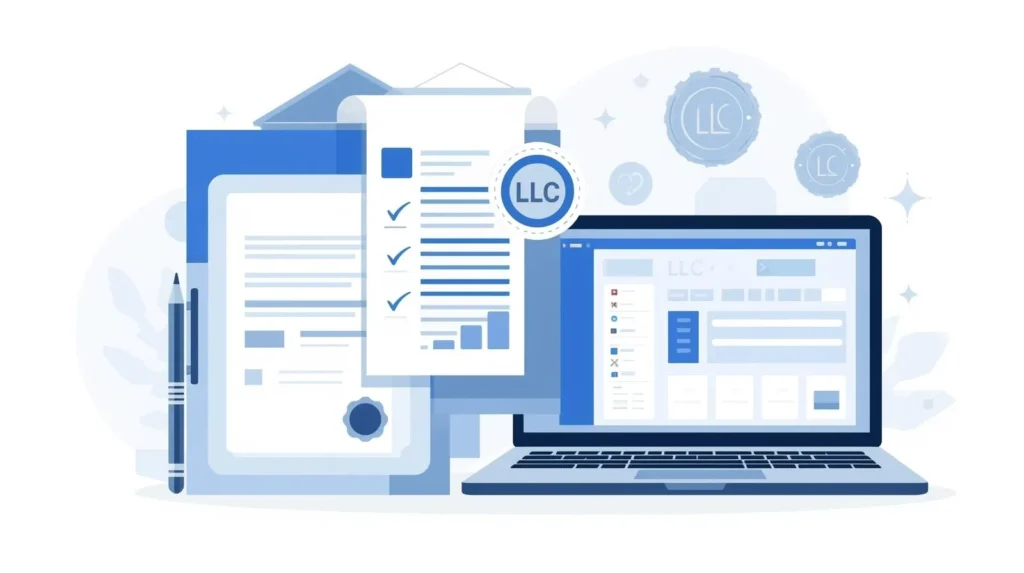
If you want to keep things simple, focus on these areas.
These are the main parts of LLC compliance that help you stay organized, avoid penalties, and keep your business in good standing year after year.
1. Clear Deadline Tracking
Know exactly when your filings are due. This includes annual reports, renewal fees, tax deadlines, and license renewals.
When you have clear reminders in place, it becomes much easier to avoid missed dates and last-minute stress.
2. Organized Records
Keep everything easy to access. Your formation documents, annual filings, EIN details, tax records, and license information should all be stored properly.
Good record-keeping saves time and helps you respond quickly if the state or a bank needs something.
3. Consistent Tax Filing
Do not delay or ignore taxes. Federal, state, and local tax obligations can all affect your business, and staying current helps you avoid extra penalties, notices, and unnecessary compliance problems.
4. Active Registered Agent
Always keep this updated.
Your registered agent must remain active and accurate in state records so your business can receive official notices, legal documents, and important compliance mail without any issues.
5. Updated Business Information
Do not let records become outdated.
If your business address, ownership details, or contact information changes, make sure you update it with the state as soon as possible to avoid confusion and missed communication.
6. Renewal Awareness
Track licenses, permits, and services. LLC compliance is not only about annual reports.
You may also need to renew business licenses, permits, and registered agent services, so staying aware of those dates is very important.
Common Mistakes to Avoid
Here are mistakes that often cause compliance issues. Most of them seem small at first, but if ignored, they can lead to penalties, missed notices, or even loss of good standing.
1. Forgetting Annual Reports
This is one of the most common problems. Many LLC owners simply forget the filing date, and that small delay can lead to late fees, state warnings, or compliance trouble.
2. Ignoring Renewal Fees
Skipping payments can lead to penalties. Even if your filing is done, missing the required fee can still put your LLC at risk and affect your standing with the state.
3. Using Old Business Information
Outdated records create confusion and risk. Old addresses, inactive registered agent details, or incorrect ownership information can lead to missed notices and filing issues.
4. Mixing Personal and Business Finances
This weakens your LLC protection. It also makes bookkeeping harder, creates tax confusion, and can make it more difficult to show that your business is being run separately.
5. Not Tracking Deadlines
Missing dates is avoidable with simple reminders. A basic calendar system can help you stay ahead of annual filings, renewals, and other important compliance tasks.
6. Assuming One-Time Setup Is Enough
An LLC requires ongoing maintenance. Forming the business is only the first step, and staying compliant over time is what keeps your LLC active, protected, and penalty-free.
FAQs
Do all LLCs need to file annual reports?
Not all, but most states require some form of periodic reporting.
What happens if I miss my annual filing?
You may face late fees, penalties, or loss of good standing.
Do I need to renew my LLC every year?
In many states, yes, through reports or fees.
Is a registered agent required every year?
Yes, your LLC must always have an active registered agent.
Can I handle compliance myself?
Yes, many small business owners manage compliance on their own.
Do I need an accountant for LLC compliance?
Not always, but it can help if your taxes or finances become complex.
Final Thoughts
Forming your LLC is just the beginning. Staying compliant is what keeps your business protected, active, and running smoothly over time.
The process is not complicated when you break it down into simple steps. File your reports, pay your fees, keep your records updated, and handle your taxes properly.
If you stay organized and proactive, compliance becomes just another small part of running your business, not something stressful or overwhelming.
The key is consistency. A few small actions each year can keep your LLC in great shape for the long term.